Strength from the earth.Built for generations.
Eco Pak Blocks manufactures Interlocking Compressed Stabilized Earth Blocks (ICSEB) — a sustainable, environmentally responsible building solution designed for modern construction.
Our innovative blocks support faster construction, reduce the need for conventional mortar and plastering, and offer a clean, naturally elegant finish.
Build Faster. Build Greener. Build Sustainably.
Sustainable · Climate resilient · Durable · Cost-effective
1,700–4,000PSI
Compressive strength
100Years
Built-in lifespan
0
Emissions
Up to 8%
Water absorption
The Block
Not fired. Formed.
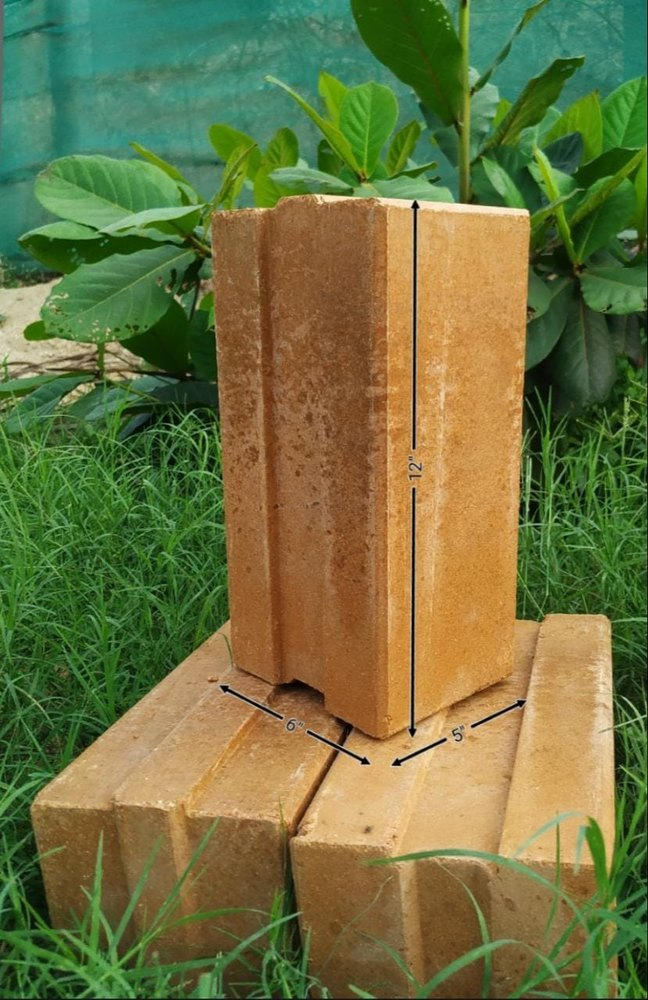
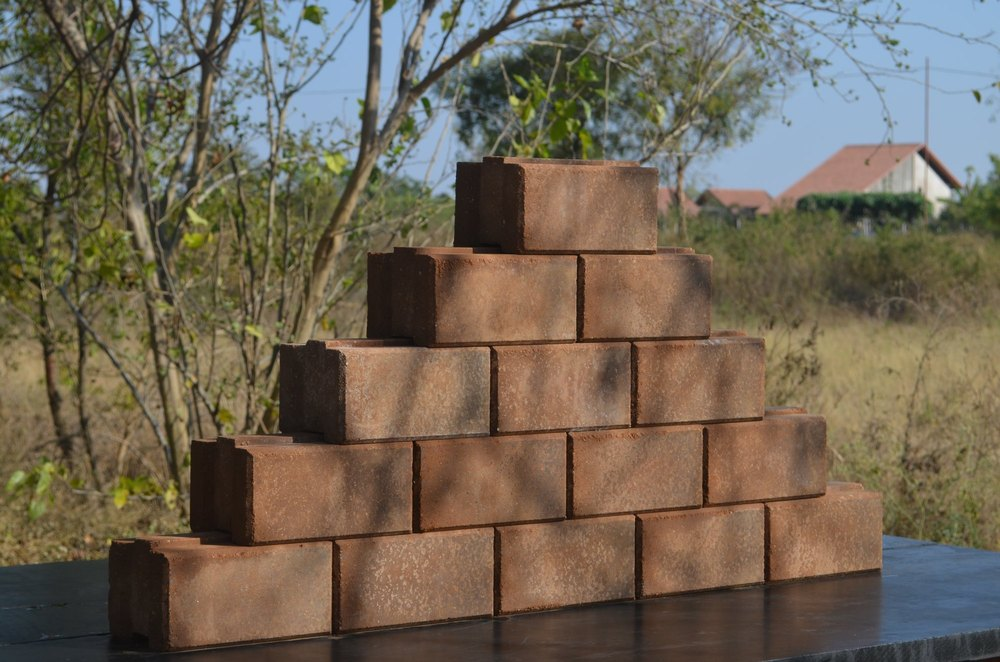
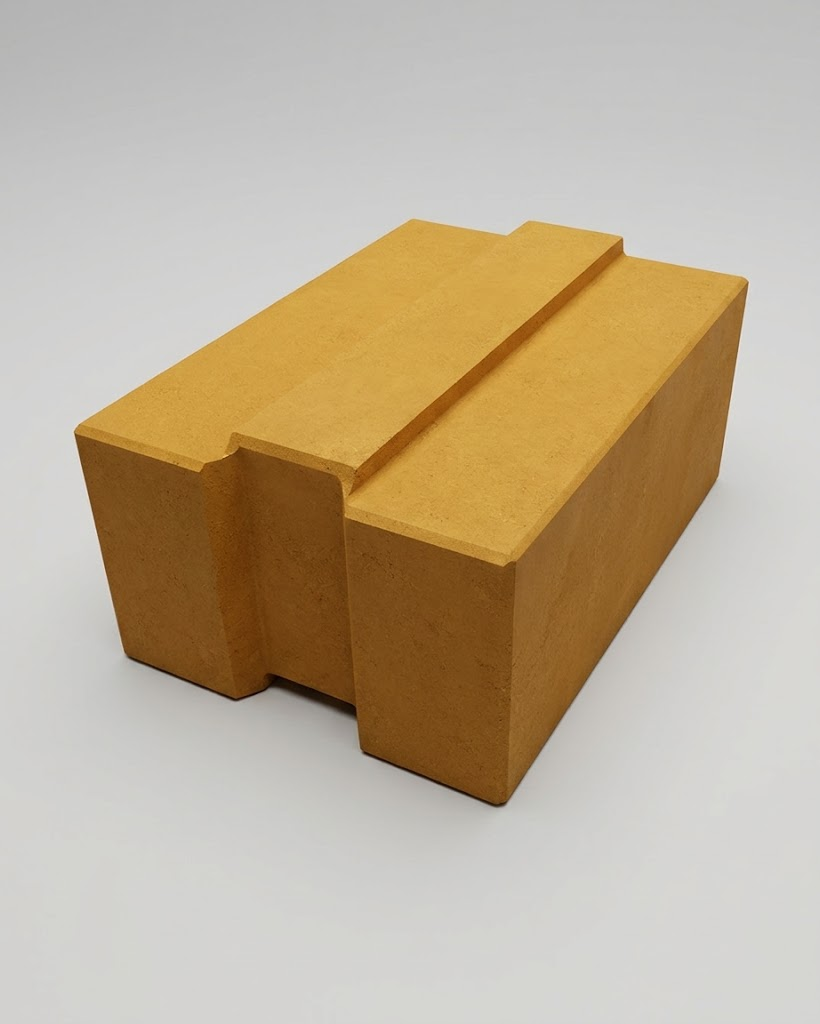
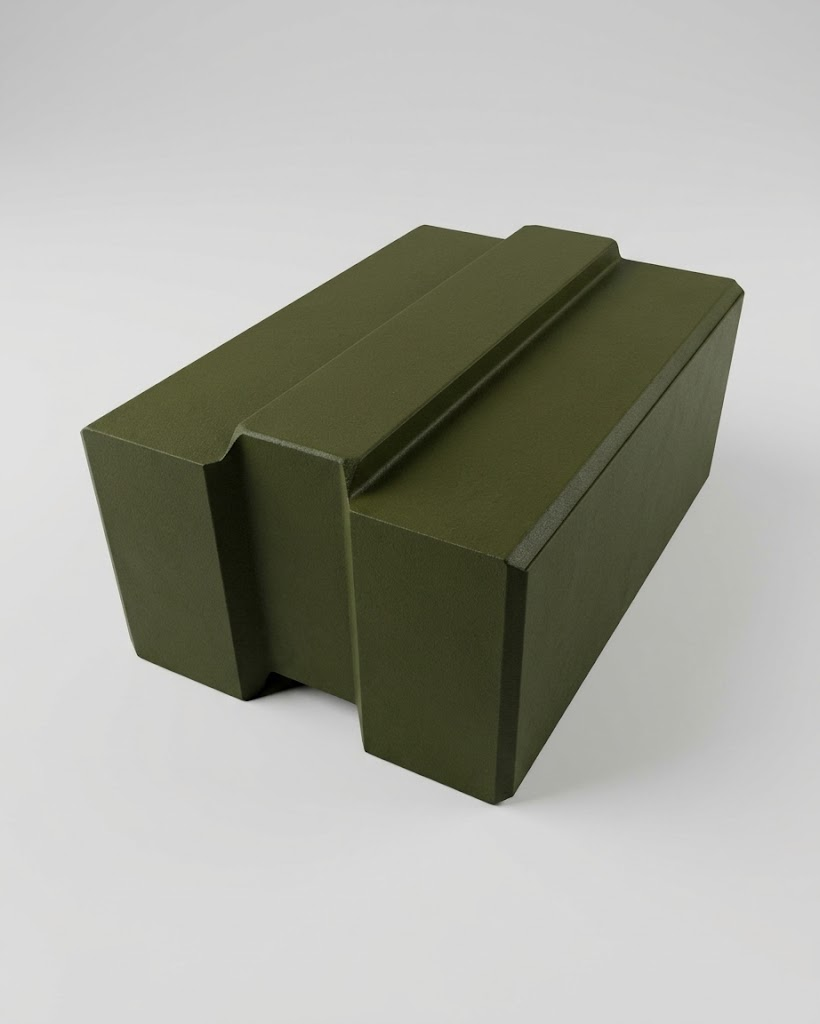
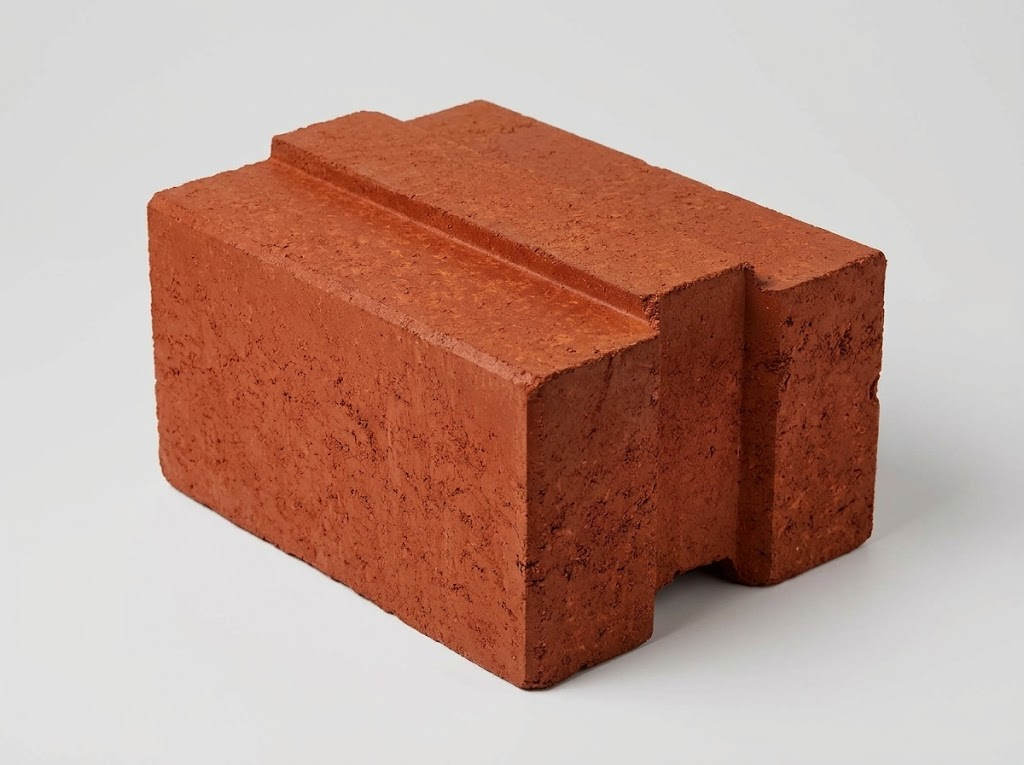
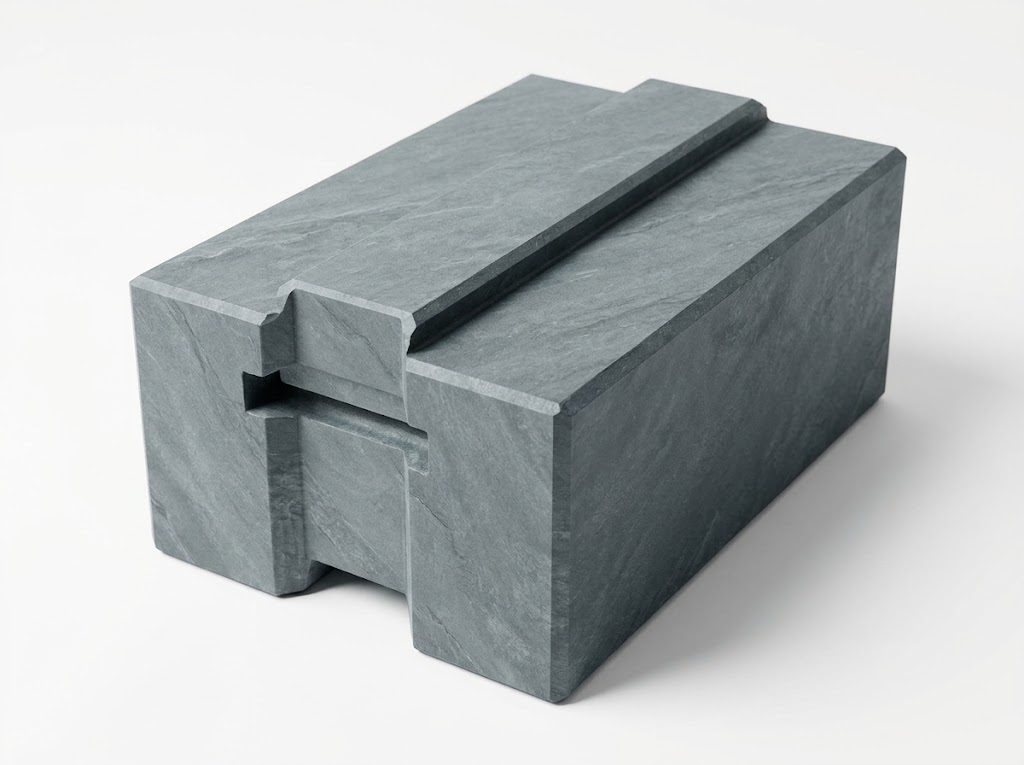
Eco Pak Blocks are made from soil, industrial waste, sand and a small quantity of cement — then compressed under high pressure instead of fired. The result is a block that is denser, stronger, and dimensionally precise — built to perform for a century while leaving the sky untouched.
- Compressed, not fired
- Blocks are mechanically compacted from earth and stabilizer — no kiln, no firing fuel, no emissions from the process.
- No plastering needed
- The pressed surface is true, dense, and finished. Walls go up ready — cutting plaster material and labor entirely.
- Naturally elegant
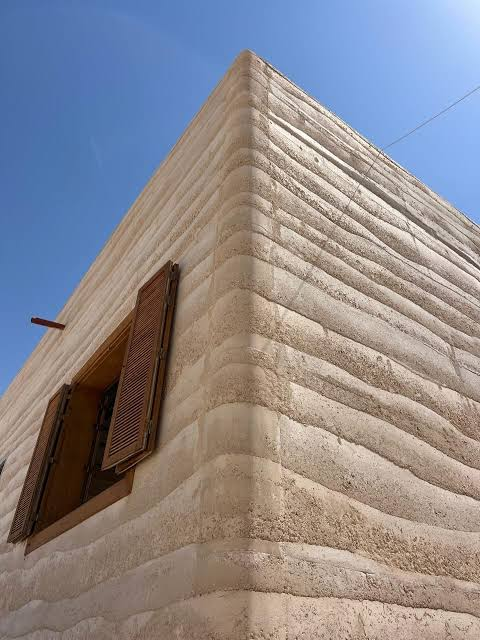
- The earthy, textured finish is the aesthetic. Every wall carries the warm character of its own soil.
- Healthy living
- Made from natural soil with no kiln chemicals and no toxic paint or plaster fumes, the walls breathe — supporting a healthier indoor environment.
- Estimated HVAC & Energy Savings
- Air conditioning needs 30% to 40% less energy to cool indoor spaces during summer peak months, and the walls' thermal mass retains heat from occupants and heating appliances — keeping rooms 7°C to 8°C warmer on winter nights.
Proven in the Field
Projects still standing strong, years on.
Real buildings, real weather, real time. These projects show how Eco Pak Blocks age — keeping their strength and their natural finish with zero maintenance.
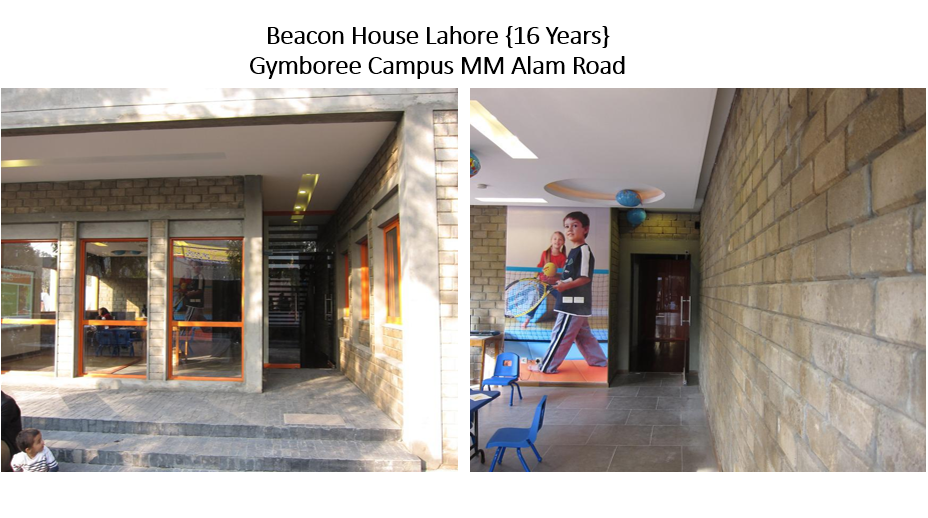
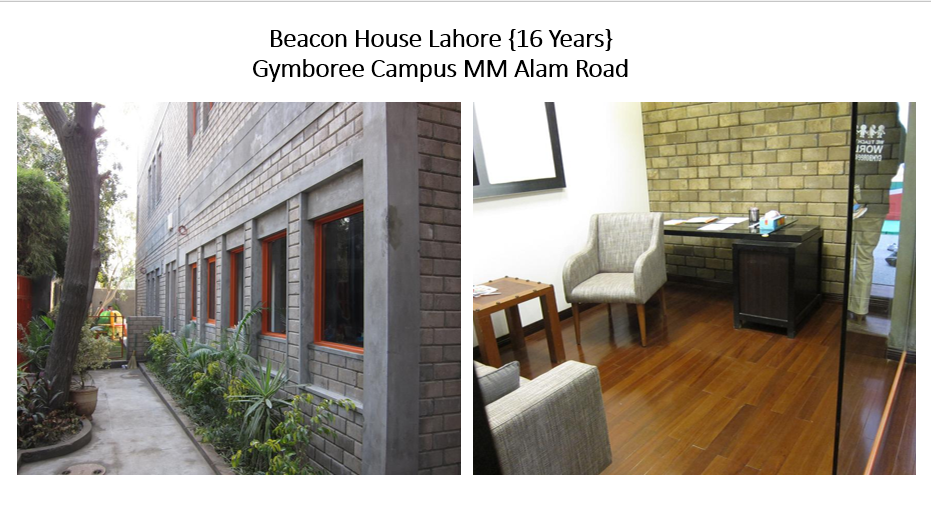
Beacon House School
Gymboree Campus, MM Alam Road, Lahore
Early-childhood campus for the Gymboree programme, with play, music and learning spaces.
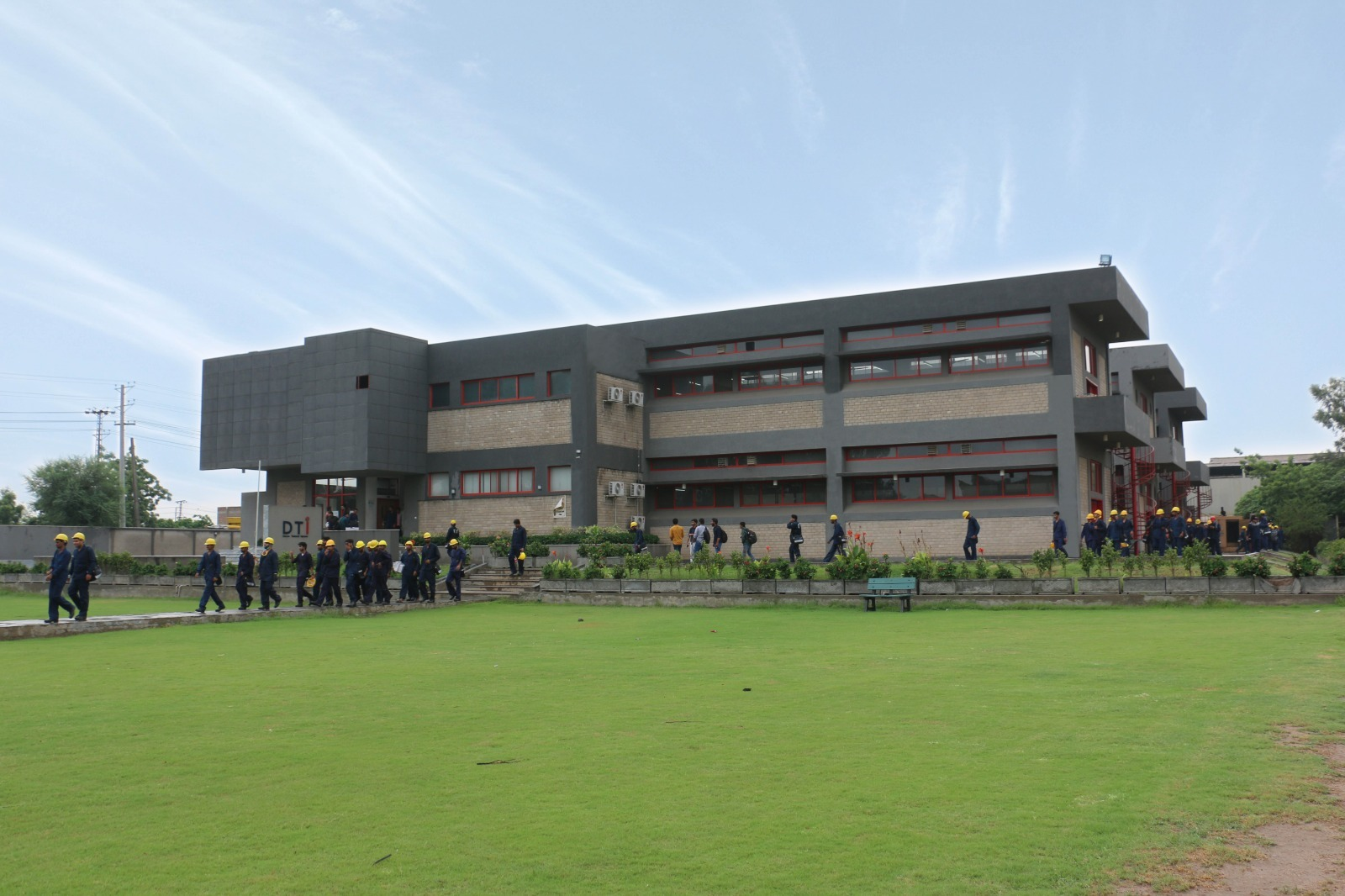
Descon Training Institute
Lahore
Training facilities for technical and management professionals.
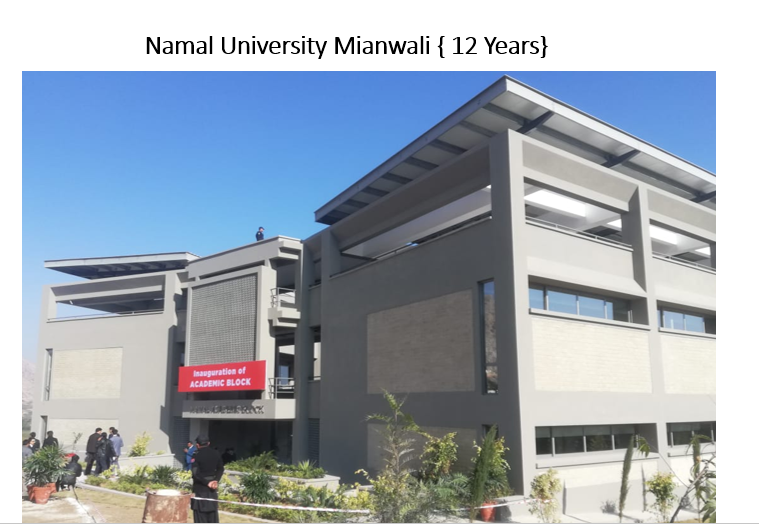
Namal University
Mianwali
Academic buildings, research facilities and student accommodation.
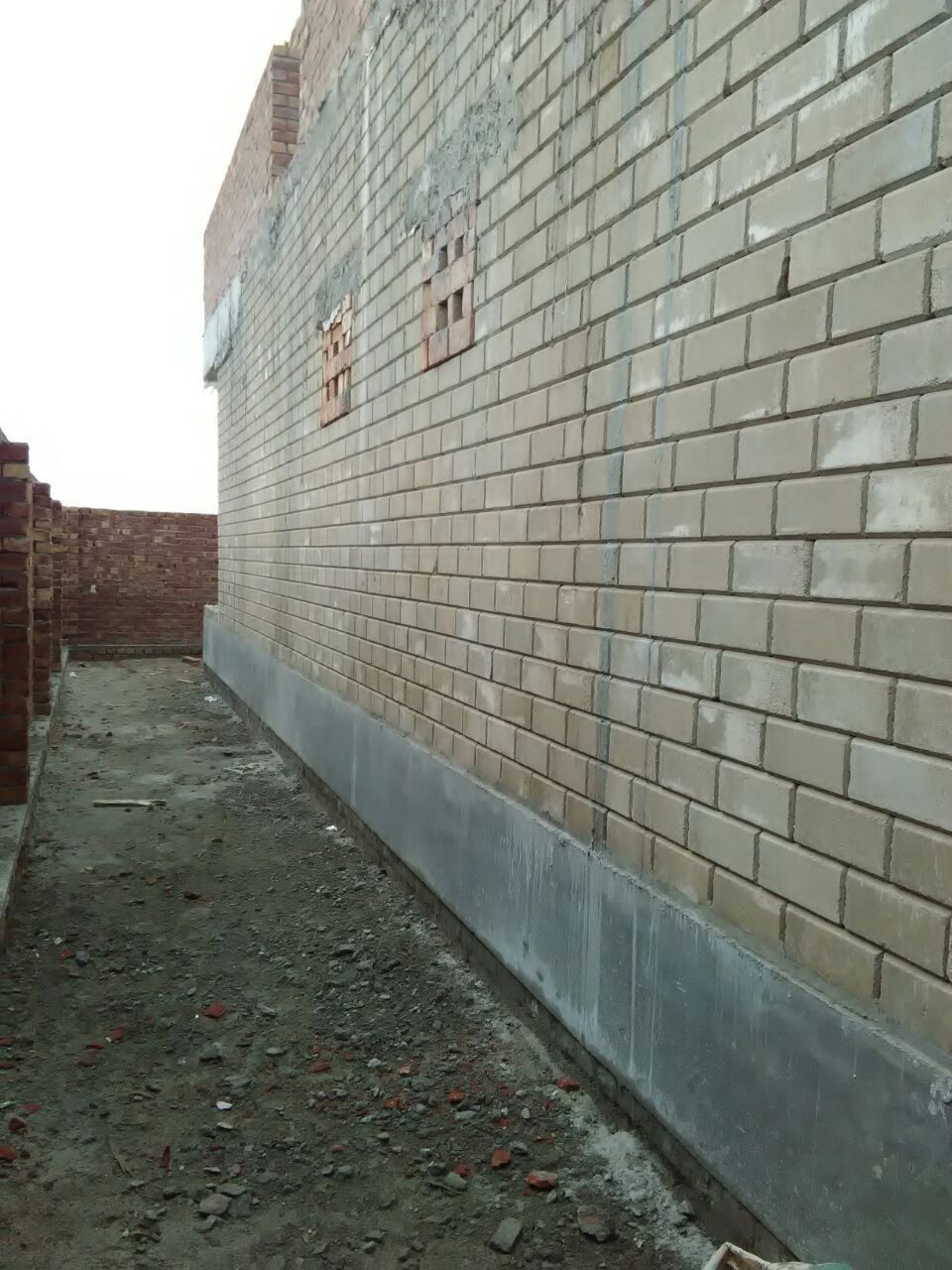
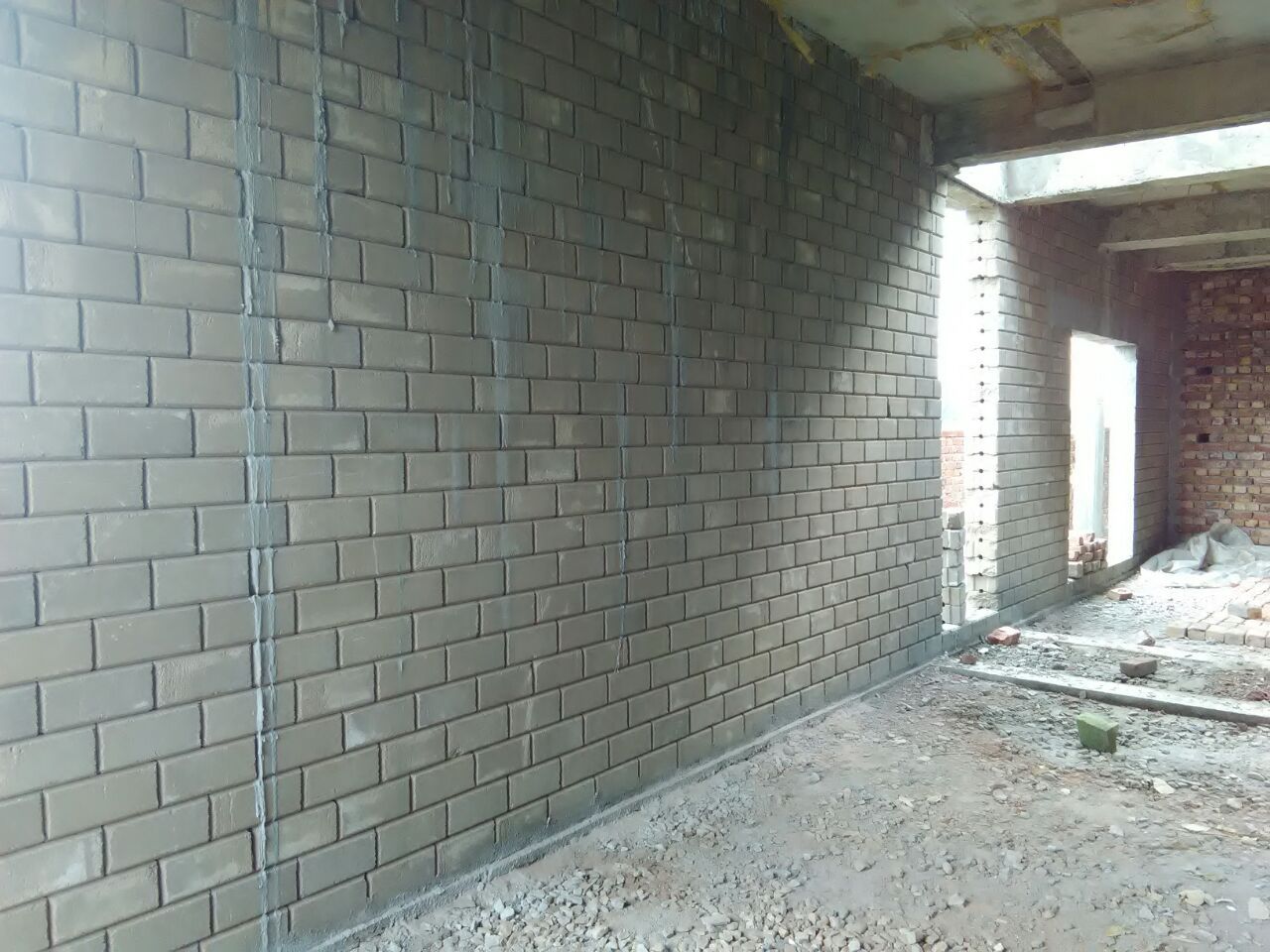
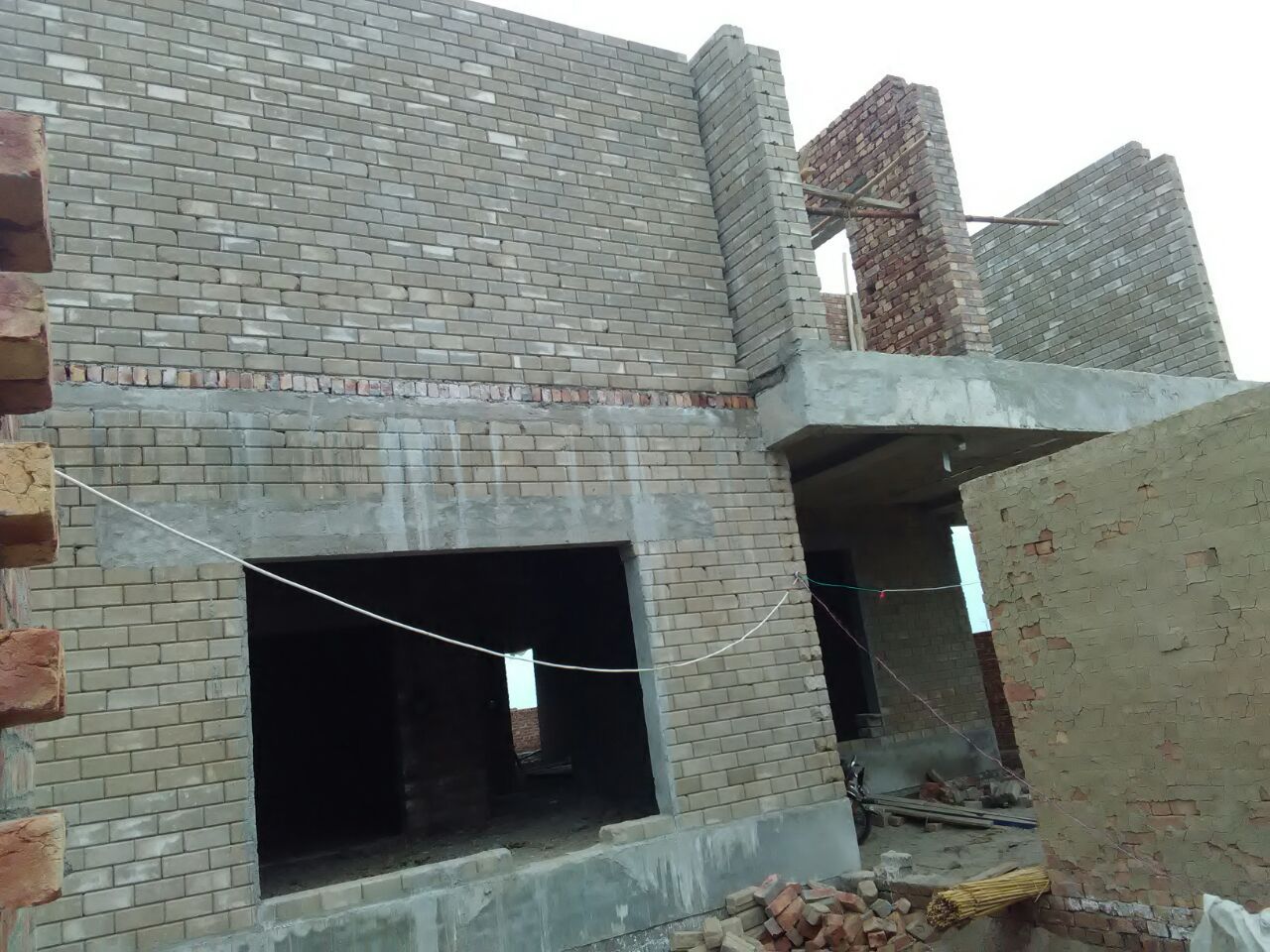
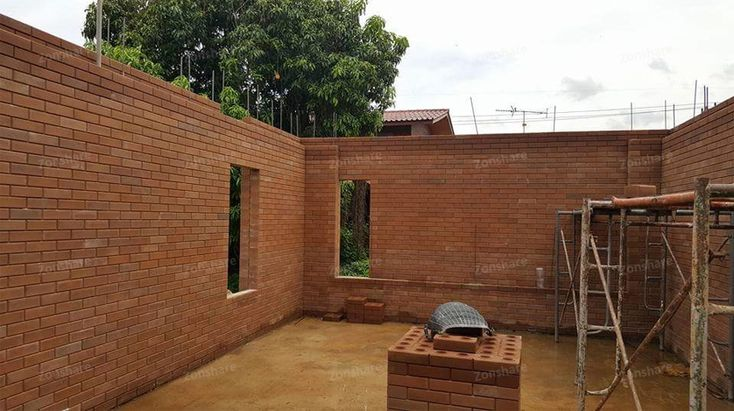
House
DHA, Lahore
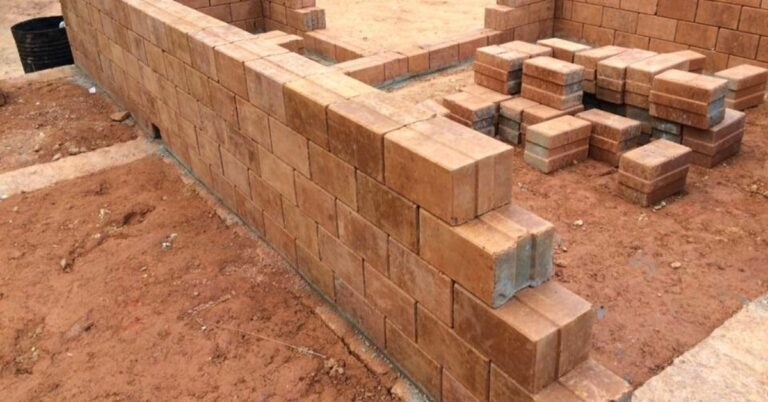
Walls under construction with our blocks — built to a naturally elegant finish.
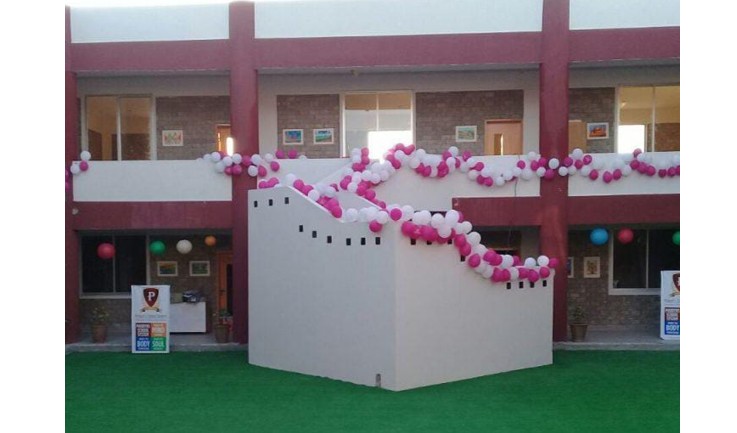
EFA School
Islamabad
Classrooms, laboratories, sports and recreational facilities.
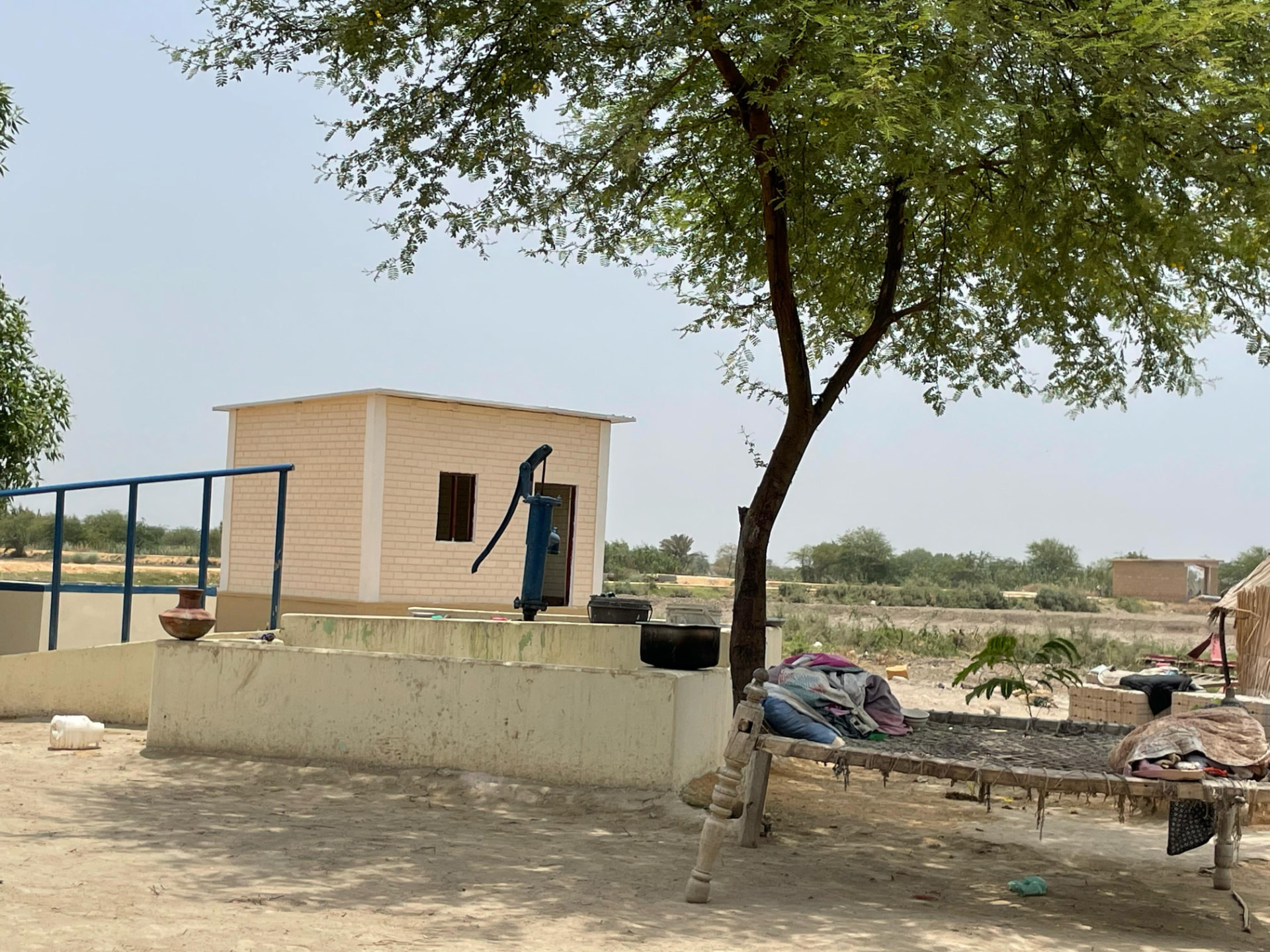
Model Room — SPHF
Thatta, Sindh
Model room built for the Sindh Peoples Housing for Flood-affectees (SPHF) programme.
Model Room — SPHF (Video)
Thatta, Sindh
Model room built for the Sindh Peoples Housing for Flood-affectees (SPHF) programme.
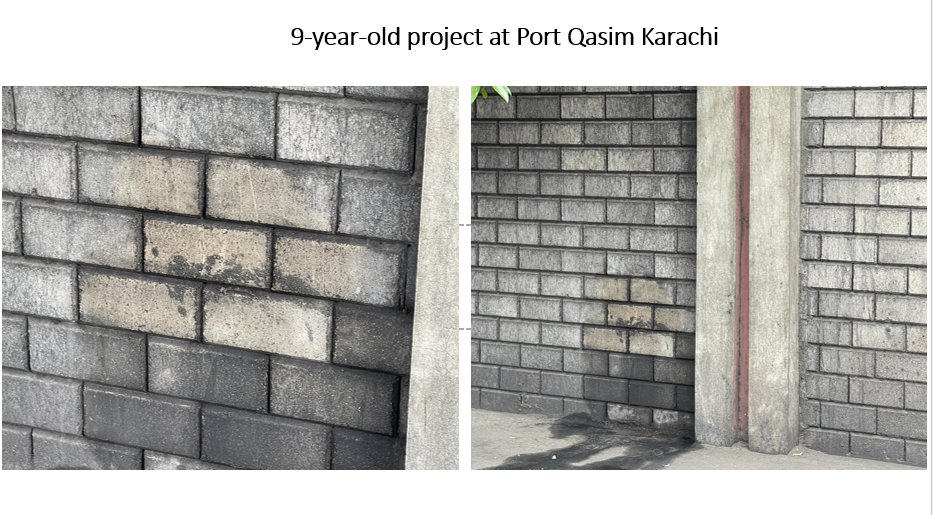
Industrial Project
Port Qasim, Karachi
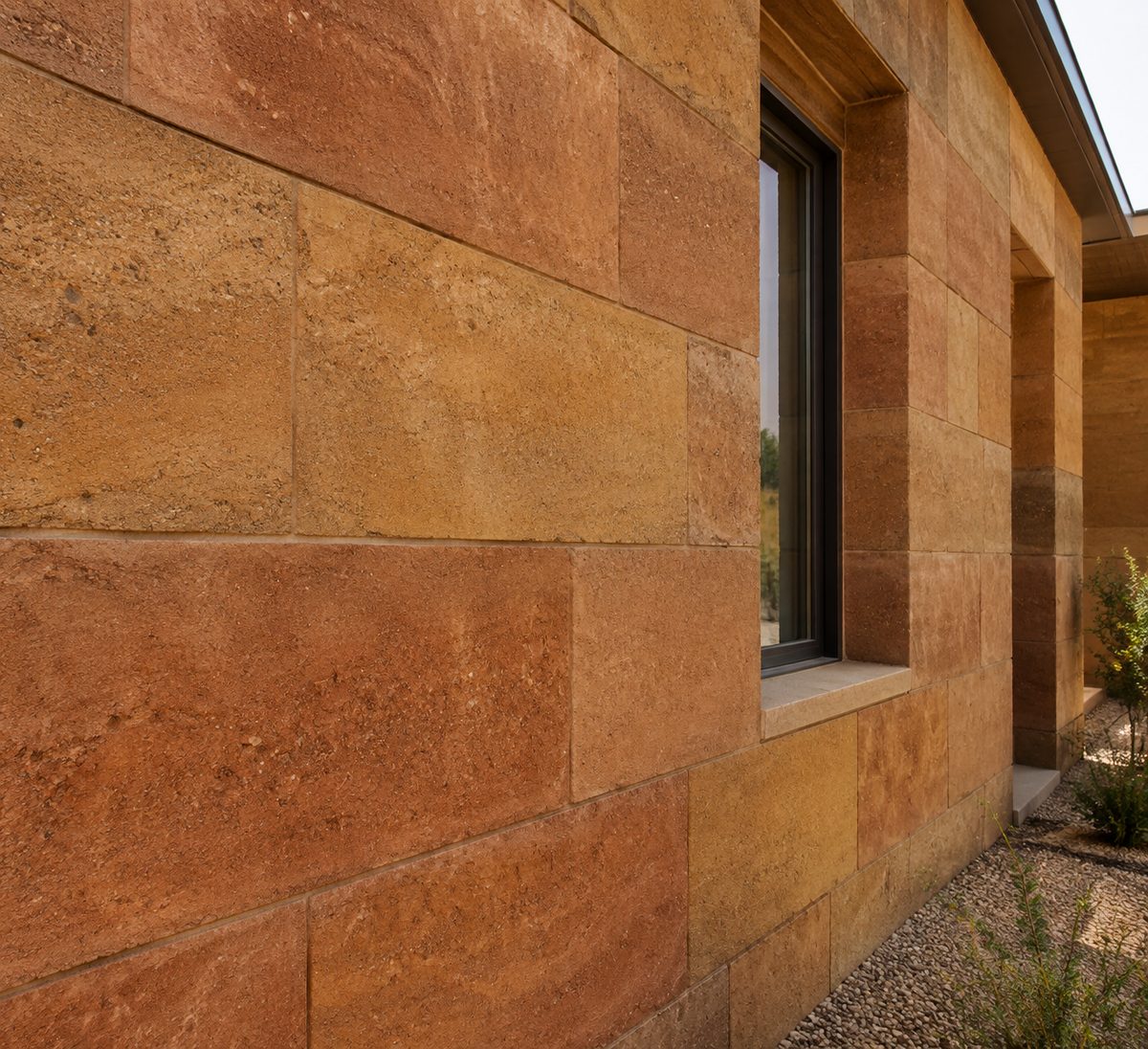
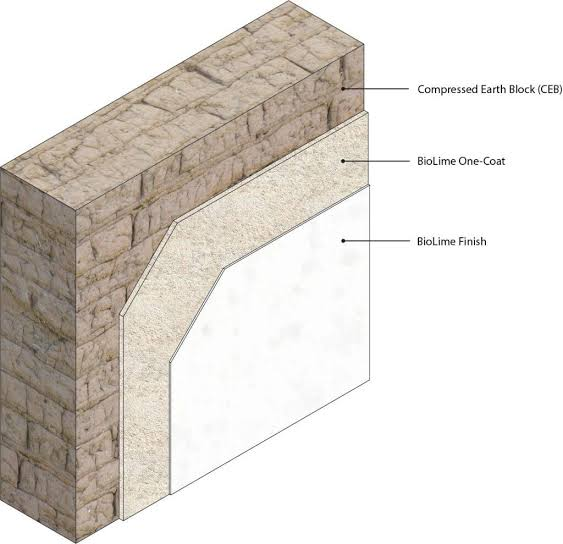
Mineral Silicate Masonry Stain
Post-stacking coloring option
The recommended way to colour a finished Eco Pak Blocks wall: a potassium silicate (Keim-style) stain instead of paint.
- How it works
- Penetrates the surface pores and chemically bonds (petrifies) with the silica in your milled glass, sand and stone dust — unlike film-forming acrylic paints that sit on top and eventually peel or blister.
- Finish & breathability
- Completely matte, natural stone appearance. It remains 100% vapour-permeable (breathable), allowing any residual wall moisture to escape without bubbling.
- Durability
- Lasts 15–20+ years outdoors without UV fading or chalking.
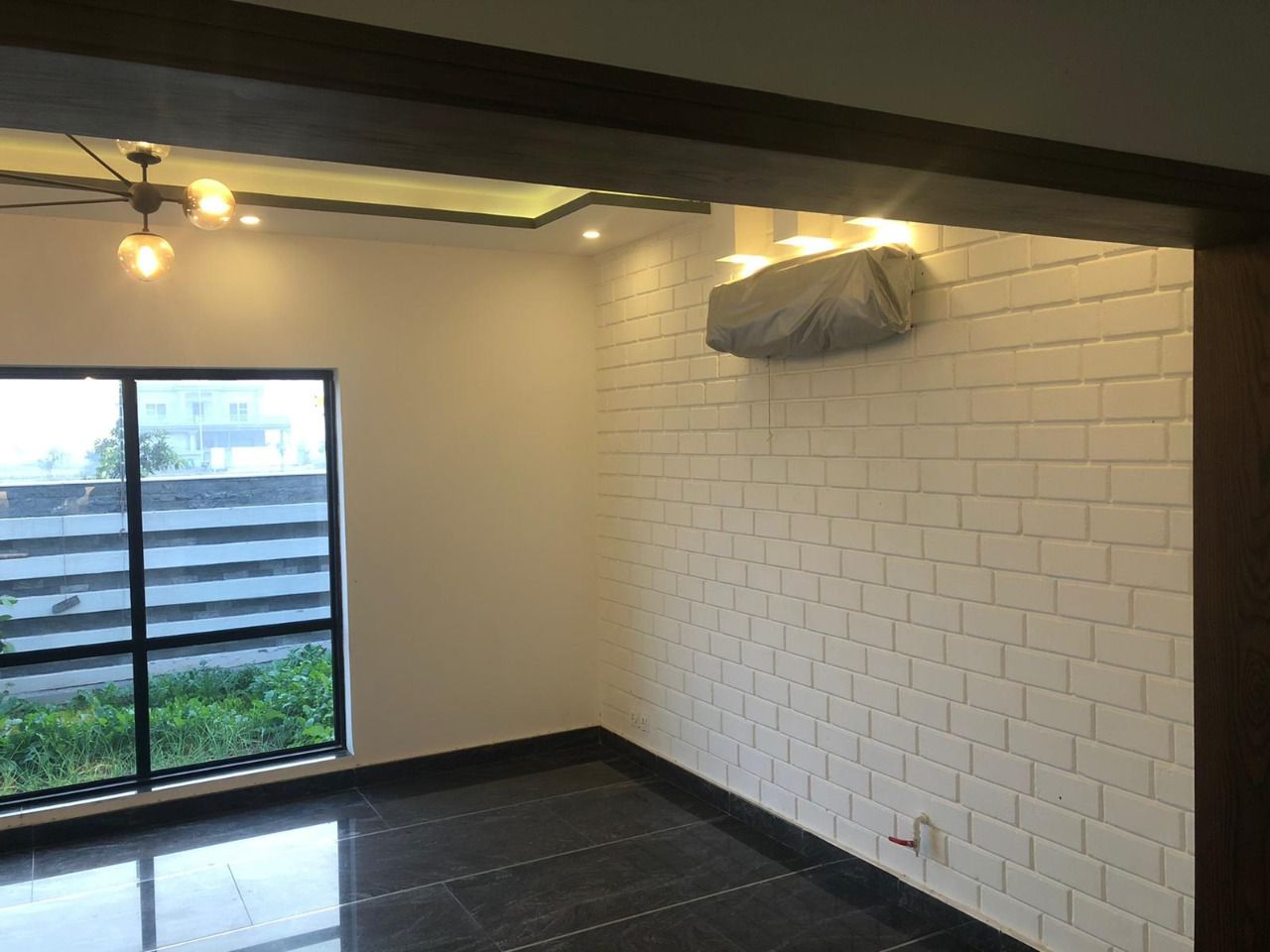
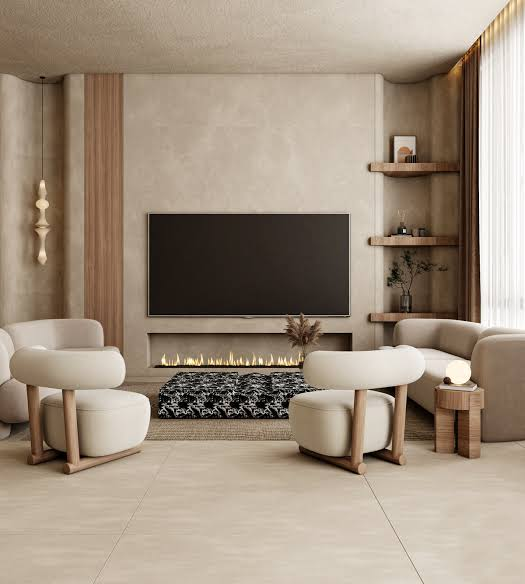
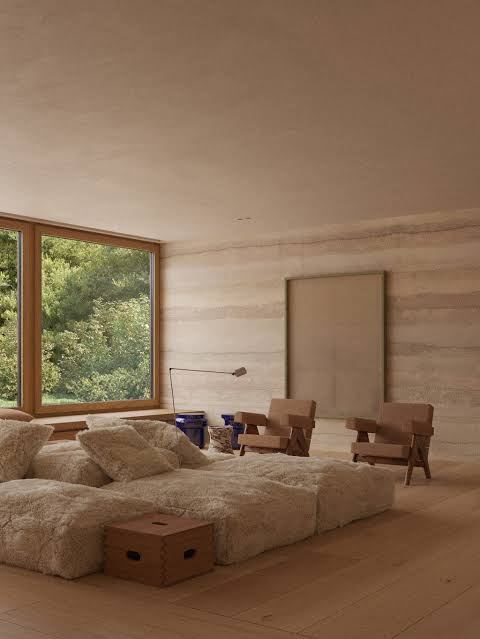
House — Finished Interior
DHA, Lahore
Finished interior feature wall built with our blocks.
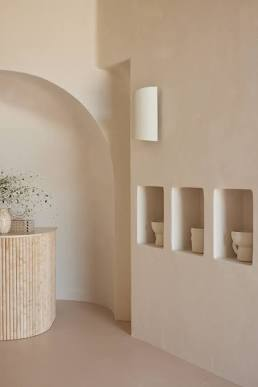
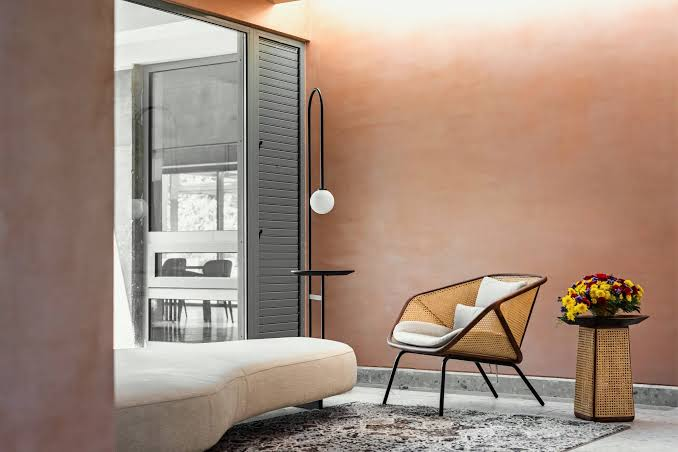
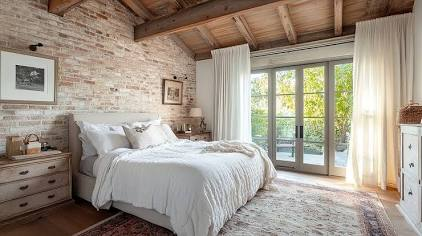
Finished Interiors & Wall Finishes
Tested for earthquakes
Seismic test at UET Peshawar
Watch our blocks during a seismic test at the University of Engineering & Technology (UET), Peshawar.
Tested for blast loads
Blast load test at UET Peshawar
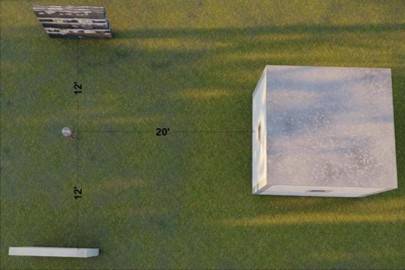
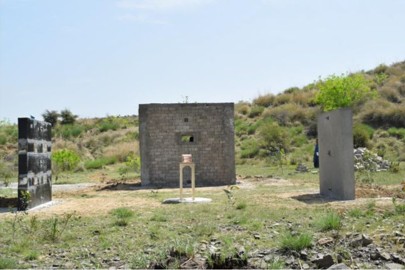
Our blocks were used to build test walls and a full-scale single-room structure for blast load testing at the University of Engineering & Technology (UET), Peshawar, as part of Azmat Ullah’s PhD research.
Why Solid Compressed Earth Blocks
Stronger buildings, lower costs, cleaner skies.
By reducing construction time, labor, and material costs, our blocks help create stronger, more sustainable, and environmentally responsible buildings for generations to come.
Faster construction
Larger than conventional bricks and interlocking with no mortar needed, our blocks lay quicker and can even be produced on-site — shortening build schedules.
No plastering
The compressed surface is wall-ready. Plaster cost, material, and time drop to zero — and electrical work is cut by up to 50% thanks to easy conduit installation.
Up to 8° cooler interiors
Excellent thermal insulation keeps indoor temperatures up to 8 degrees more comfortable, saving substantially on heating and cooling over time.
Earthquake resistant
Tested to resist earthquakes of up to 7.0 magnitude — flexible and ductile, the blocks absorb seismic energy instead of cracking.
Low water absorption
Up to 8% water absorption by weight minimizes water ingress, prevents dampness and mold, and keeps structures durable in any climate.
A fraction of the CO₂
Just 20g of CO₂ per block versus 340–371g for a traditional fired red brick — no kilns, locally sourced soil, and fully recyclable at end of life.
Naturally elegant finish
A warm, earthy texture that stands on its own — beautiful without paint or covering, blending harmoniously with the surroundings.
Lower total cost
Inexpensive local materials, simple production, reduced labor, and no plastering add up to a leaner, smarter build.
Climate resilient
Dense, stabilized, breathable walls stand up to weather and time — engineered for a 100-year life.
Quieter interiors
Thick earth walls dampen sound, giving calmer classrooms, homes and offices — insulation that works all year.
Local jobs, local wealth
Blocks are produced near the site with simple equipment, creating skilled jobs nearby and keeping spend in the community.
Natural, local materials
Soil, industrial waste, sand and a small quantity of cement — locally sourced materials that cut transport and spare natural resources.
Point by point
Traditional brick vs. the ICSEB system.
Five things that change when a wall is machine-pressed earth instead of fired clay.
Compressive strength & load capacity
Traditional brick
Standard local red clay bricks typically yield 800 to 1,200 PSI, making brick masonry walls prone to crumbling under eccentric loads.
ICSEB system
Machine-pressed blocks (1,700 to 4,000 PSI, depending on the floor level) combined with the special mix concrete and tie system achieve more than double the compressive strength of traditional red brick walls, creating a rigid, high-load-bearing structural shell.
Seismic & lateral load resistance
Traditional brick
A traditional frame relies entirely on heavy corner concrete columns to support the slabs, leaving weak infill brick walls vulnerable to cracking or blowing out during seismic activity.
ICSEB system
Confined masonry distributes structural loads uniformly across every linear foot of the wall. Integrated vertical tie-columns — poured inside hollow corner blocks at wall junctions — and horizontal ring beams lock the building into a unified, box-like seismic unit that absorbs and dampens earthquake tremors far more effectively.
Thermal performance & indoor climate
Traditional brick
Red bricks have high thermal conductivity, and a thick 20 mm cement plaster coat transfers solar heat directly indoors, trapping heat during Pakistan's summers.
ICSEB system
Compressed earth blocks possess high thermal mass and natural breathability. They absorb daytime heat and release it slowly at night, keeping indoor ambient temperatures 7°C to 8°C cooler in summer and 7°C to 8°C warmer in winter, which drastically reduces future air-conditioning loads.
Durability, moisture & water absorption
Traditional brick
Under-burnt red bricks absorb moisture rapidly, leading to severe rising dampness, salt efflorescence (shora), and crumbling plaster.
ICSEB system
With an optimized material formula, the blocks achieve high density, low porosity, and excellent resistance to water ingress — with water absorption capped at 8% or less.
Precision & material efficiency
Traditional brick
Irregular brick shapes require thick mortar joints (up to 20 mm), which create weak links throughout the wall and waste massive amounts of mortar.
ICSEB system
Hydraulic pressing ensures dead-flat, uniform blocks that lock together seamlessly, eliminating mortar waste and allowing plaster thickness to be reduced to a 6 mm skim coat.
International partnership
Training partnership with Dwell Earth — USA
Through a Memorandum of Understanding signed in July 2024, Dwell Earth — a leading compressed earth block company in the United States — works with Eco Pak Blocks to deliver training programs on compressed earth block mix design and soil testing.
- Training curriculum and materials supplied by Dwell Earth.
- Qualified instructors and technical experts for every program.
- Ongoing support and consultation for training participants.
- Eco Pak Blocks organizes each session — venues, schedules and participant coordination.
Effective from July 26, 2024 through July 26, 2029 · signed by Robert M. De Jong (Dwell Earth LLC) and Nadeem Ehsan (Eco Pak Blocks).
View the signed MOU (PDF)Partition Walls
6-inch vs. 4.5-inch partition walls.
Choosing between the two block thicknesses? Here is how a 6-inch compressed block wall compares with a conventional 4.5-inch partition for the same job.
1 · Structural & Spatial Benefits
- High stability for tall walls: standard non-load-bearing partition walls in residential and commercial buildings are typically 4.5 inches (single-brick thickness). A 6-inch wall is sturdier, handles higher slenderness ratios — taller floor-to-ceiling heights up to 12–14 feet without stiffeners — and resists cracking better.
- Anchoring & hanging capacity: hanging heavy fixtures (kitchen cabinets, large TVs, marble counters, or geysers) onto a 6-inch solid or compressed earth block is significantly safer and easier than on a 4.5-inch wall.
- Services & electrical chasing: chasing or grooving the wall for electrical conduits, switch boxes, and plumbing pipes is much safer in a 6-inch wall without compromising the structural integrity of the partition.
2 · Acoustic & Thermal Insulation
- Acoustic privacy: a 6-inch dense block wall provides a high Sound Transmission Class (STC rating ~45 to 50 dB). This effectively blocks speech, TV noise, and household sounds between bedrooms or adjacent apartments.
- Thermal mass: provides better thermal insulation than 4.5-inch walls, keeping interior rooms cooler in summer and warmer in winter.
| Feature | 4.5-inch wall | 6-inch wall |
|---|---|---|
| Primary use | Standard internal partitions | Heavy-duty internal partitions / boundary walls |
| Structural stability | Good for short spans (below 10 ft) | Excellent for higher/longer spans (12–14 ft) |
| Sound insulation | Moderate | High — great privacy between rooms |
| Conduit/pipe grooving | Needs careful cutting | Very easy to chase without cracking |
| Cabinet/TV anchoring | Medium load capacity | High load capacity |
Our recommendation: if space permits — a 6-inch wall takes up about 1.5 inches more room width than a 4.5-inch wall — 6-inch compressed blocks make exceptional partition walls that feel far more solid, soundproof, and durable than conventional 4.5-inch brickwork.
Environmental research
Carbon credit studies
Our supplied study explores how compressed stabilized earth blocks could support low-carbon housing projects. Carbon credits apply to eligible, verified projects — they are not automatically earned by buying or producing blocks.
No kiln firing
Compressed and air-cured blocks avoid the fuel burned when firing traditional clay bricks.
Local production
Nearby materials and mobile, on-site plants can reduce transport-related emissions.
Building energy savings
Thermal insulation may reduce heating and cooling demand; savings must be measured for each project.
Less material waste
Reduced mortar and plaster use, with blocks reusable as fill at the end of their life, supports resource-efficient construction.
Illustrative study scenario · 200,000 homes
A separate example from the uploaded study, comparing blocks with fired bricks; not a certified emissions assessment.
- Estimated CO₂ avoided per home
- 3.5–4.25 tonnes
- Estimated total CO₂ avoided
- 700,000–850,000
- Potential gross credit value
- US$10.5–12.75 million
metric tonnes
at an assumed US$15/tonne
These figures are estimates, not issued carbon credits or guaranteed income. Actual eligibility, verified reductions and sale prices may differ. The gross value excludes assessment, registration, monitoring, verification and transaction costs.
From study to verified project
- 01
Establish a baseline
Compare local fired-brick construction with the proposed project, including production, cement, transport and building energy use.
- 02
Confirm eligibility
A qualified carbon specialist must identify a currently applicable methodology, demonstrate additionality and check registry requirements.
- 03
Monitor the reductions
Record block quantities, material and fuel use, transport distances and any measured building-energy savings.
- 04
Validate and verify
Independent validation, project registration and verified reductions are required before credits can be issued. Avoid double counting.
Standards discussed in the study
The document references Gold Standard, Verra’s Verified Carbon Standard (VCS) and the UN Clean Development Mechanism (CDM). These are research references, not confirmation of a currently available methodology or Eco Pak Blocks approval. Current rules and any applicable transition arrangements require specialist review.
Large housing programmes may spread assessment and verification costs over more homes. Feasibility still depends on the project location, evidence and applicable standard.
Download the original study (Word)Source: Carbon_Credits_Study.docx, supplied by Eco Pak Blocks. The original includes broader product and structural claims; these are not independently verified here and do not replace project-specific engineering approval.
Applications
Where our blocks go to work.
Housing
Complete homes from foundation to roof — healthy, thermally comfortable, and built to last.
Boundary & compound walls
Long, strong walls at a fraction of conventional cost, with an exposed-earth finish.
Infrastructure recovery
Rapid, durable rebuilding for housing and infrastructure recovery programs.
Project Advisor
Are our blocks right for your build?
Tell us about your project and get instant, AI-powered guidance on how Eco Pak Blocks fit your needs.
Your tailored guidance will appear here. For prices and orders, contact us on WhatsApp or email.
AI guidance is general advice. Always confirm structural design with a qualified engineer.
Let's build something that lasts.
Tell us about your project — a home, a wall, or a full development — and we'll respond with block options, pricing, and lead times.
Request a quote
Share your name, project details and how you'd like us to reach you. We'll get back to you with block options, pricing and lead times.
Send an inquiry